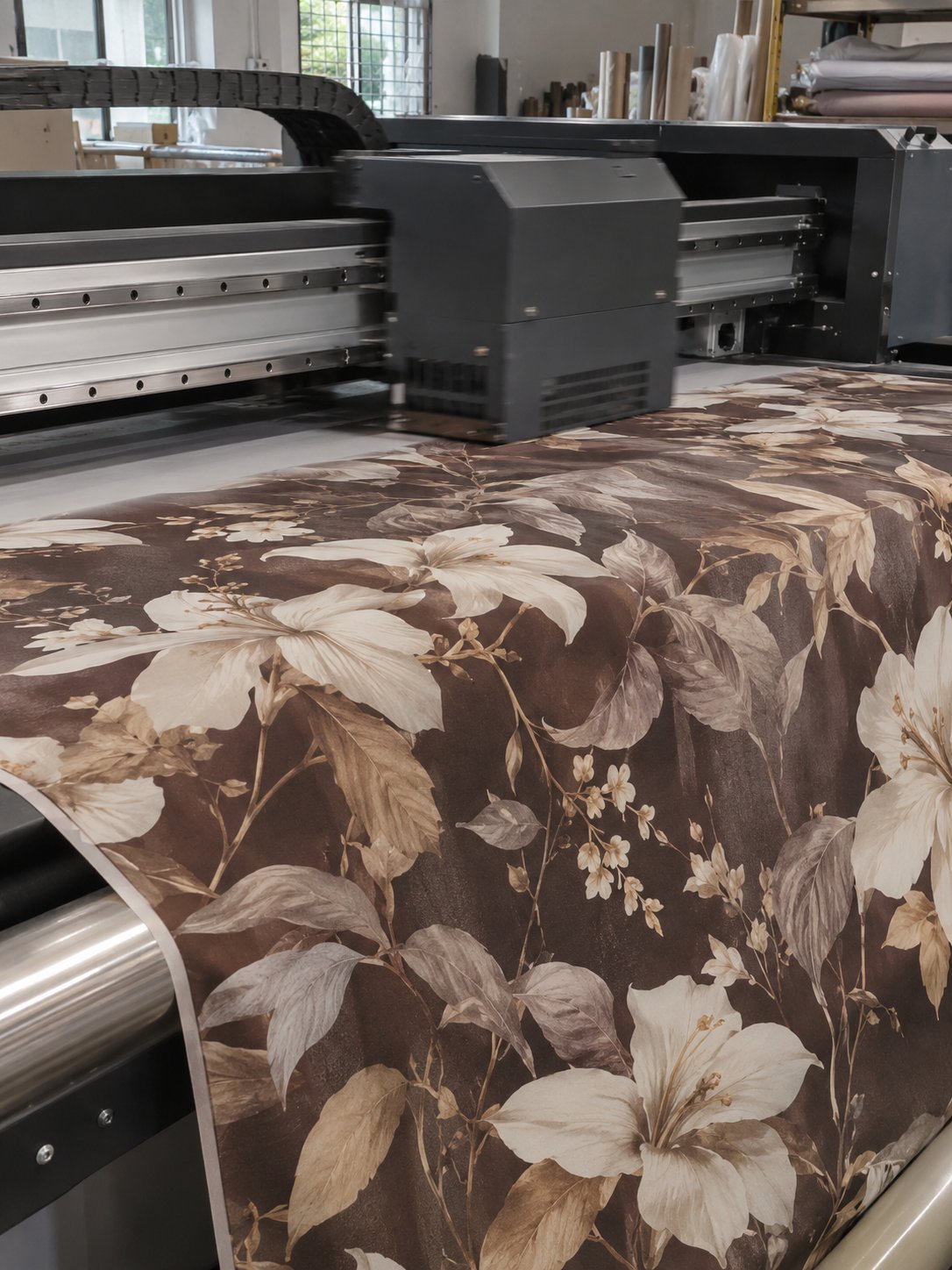
Custom Printing
Custom Printing to Your Artwork
Own knitting mill, dyeing mill and printing line. Select a printing process for nylon spandex or polyester spandex, approve a sample, then proceed to bulk production. Send your artwork, base fabric, end use, colours and quantity.
Printing email zhangzengwen@mail.gzmaoxing.comPrint Methods
Nylon Spandex
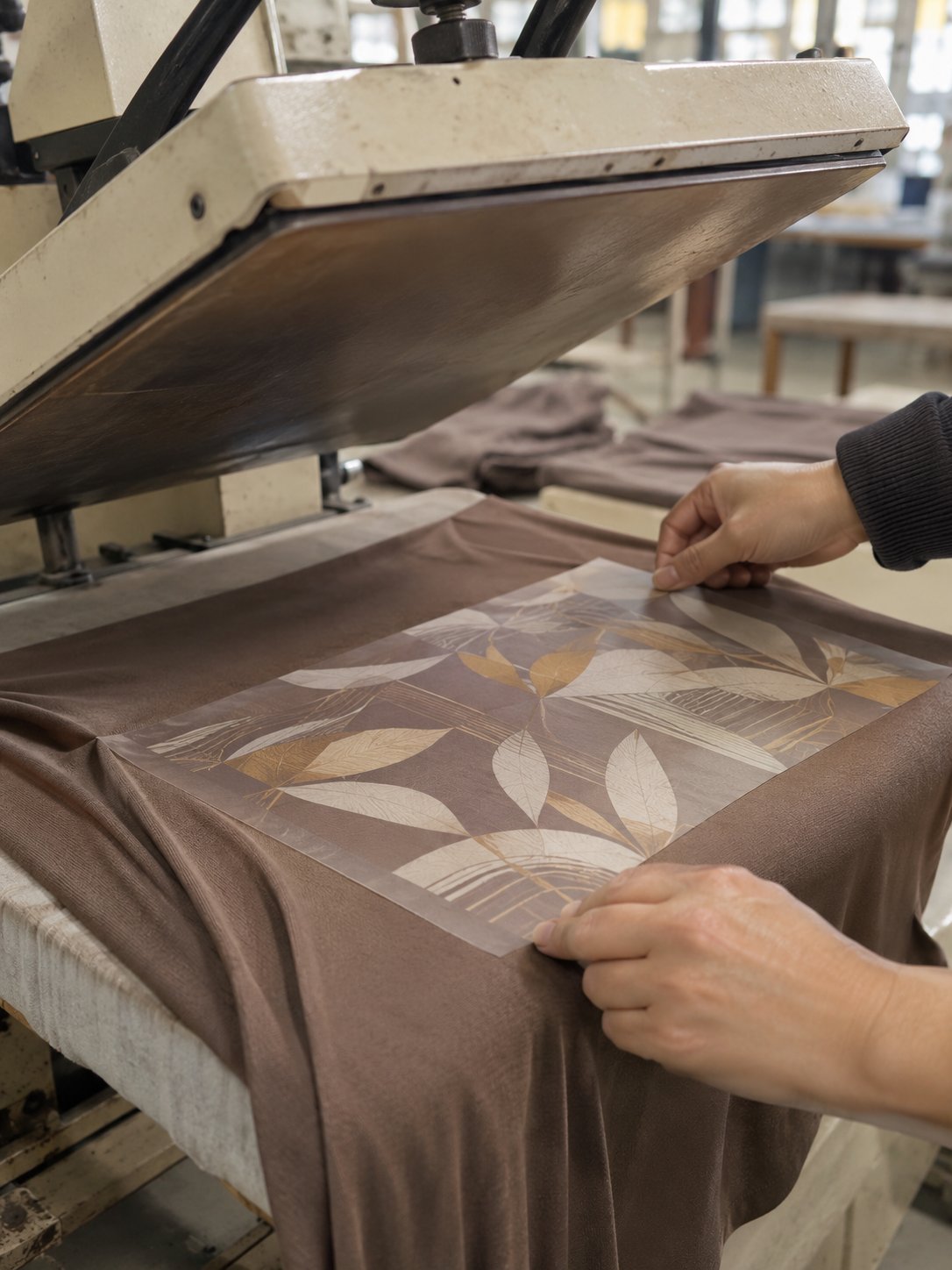
Stretch DTF Heat Transfer
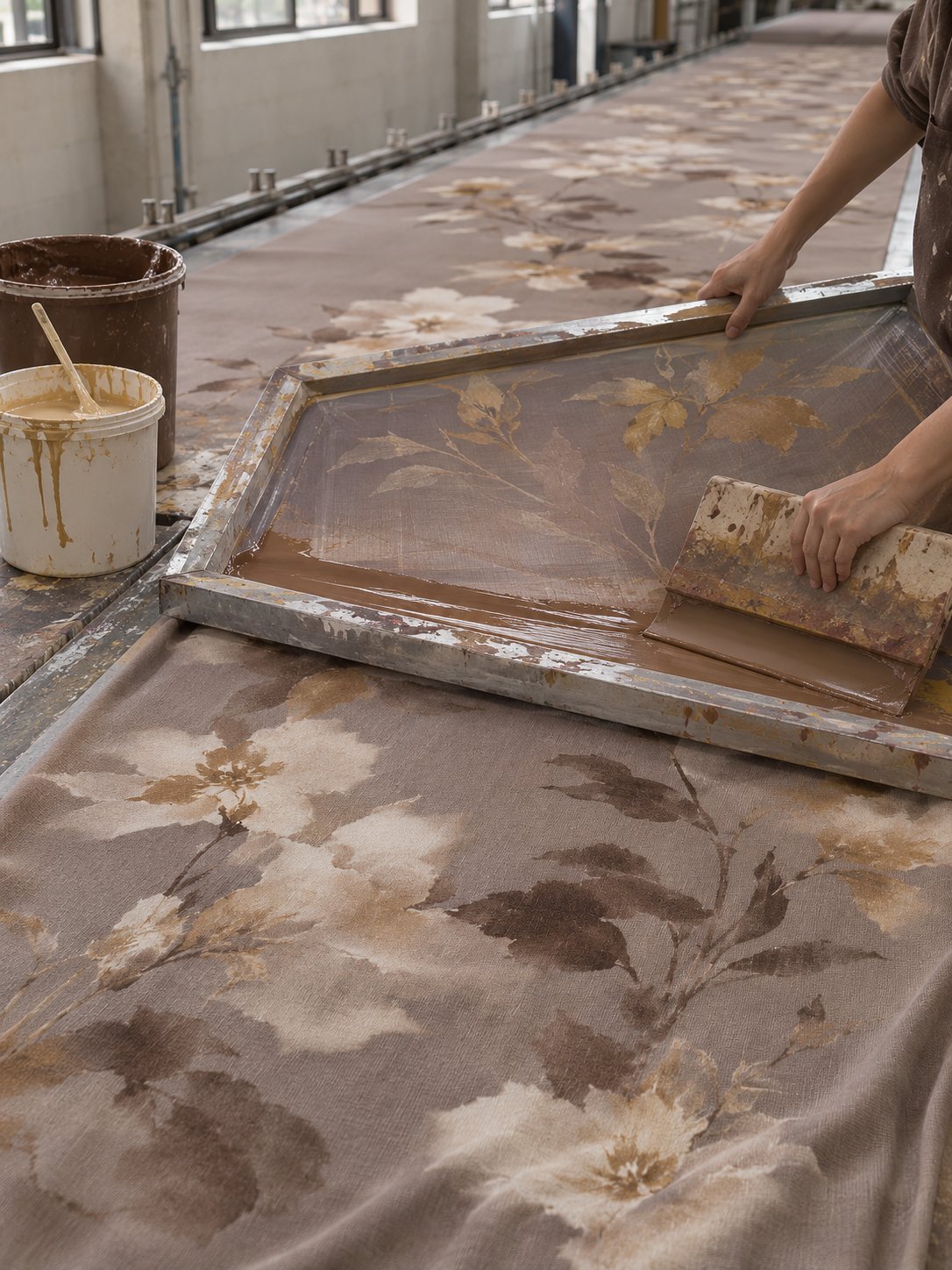
High-Stretch Water-Based Screen Printing
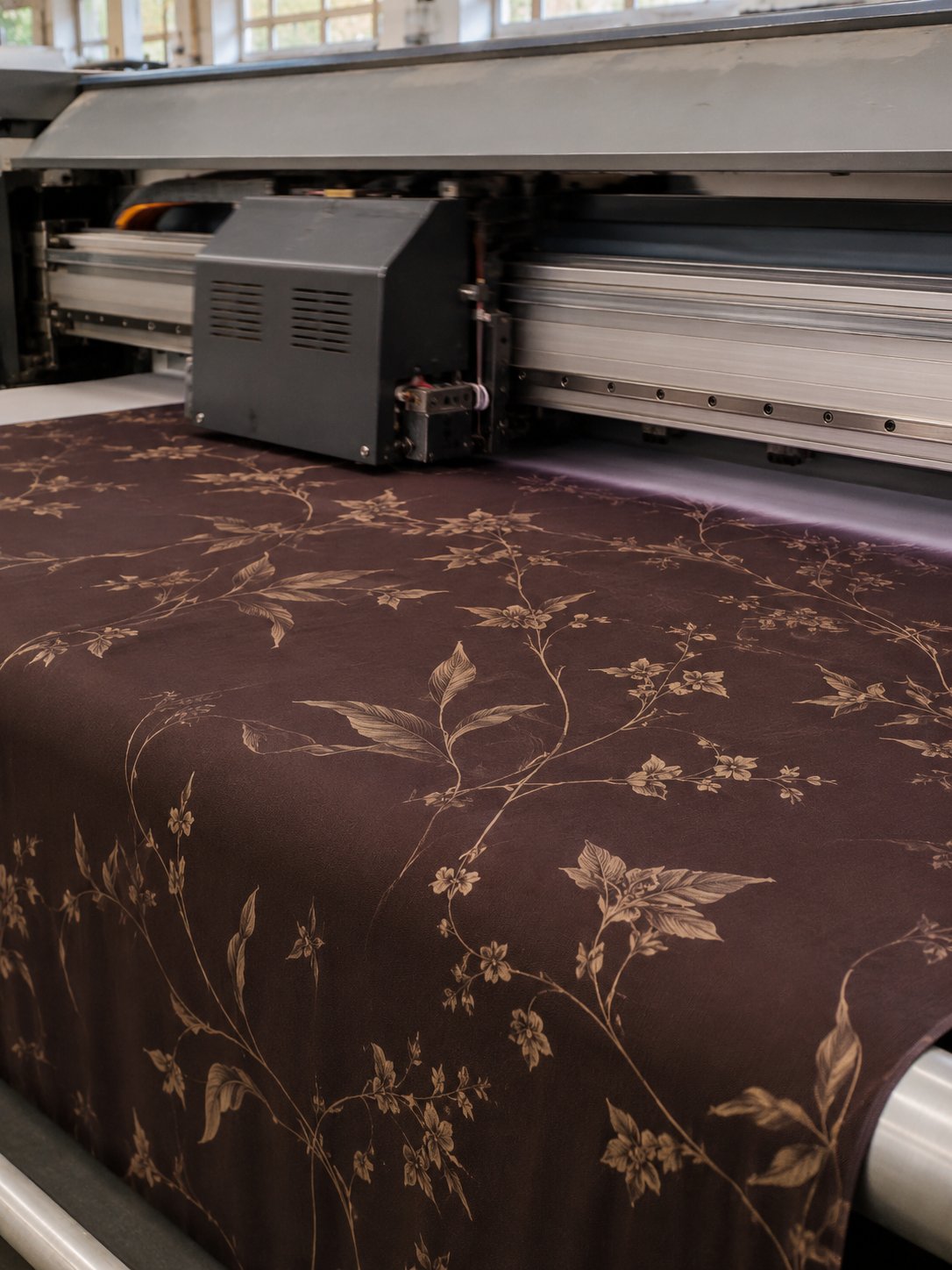
Pigment Digital Direct Printing
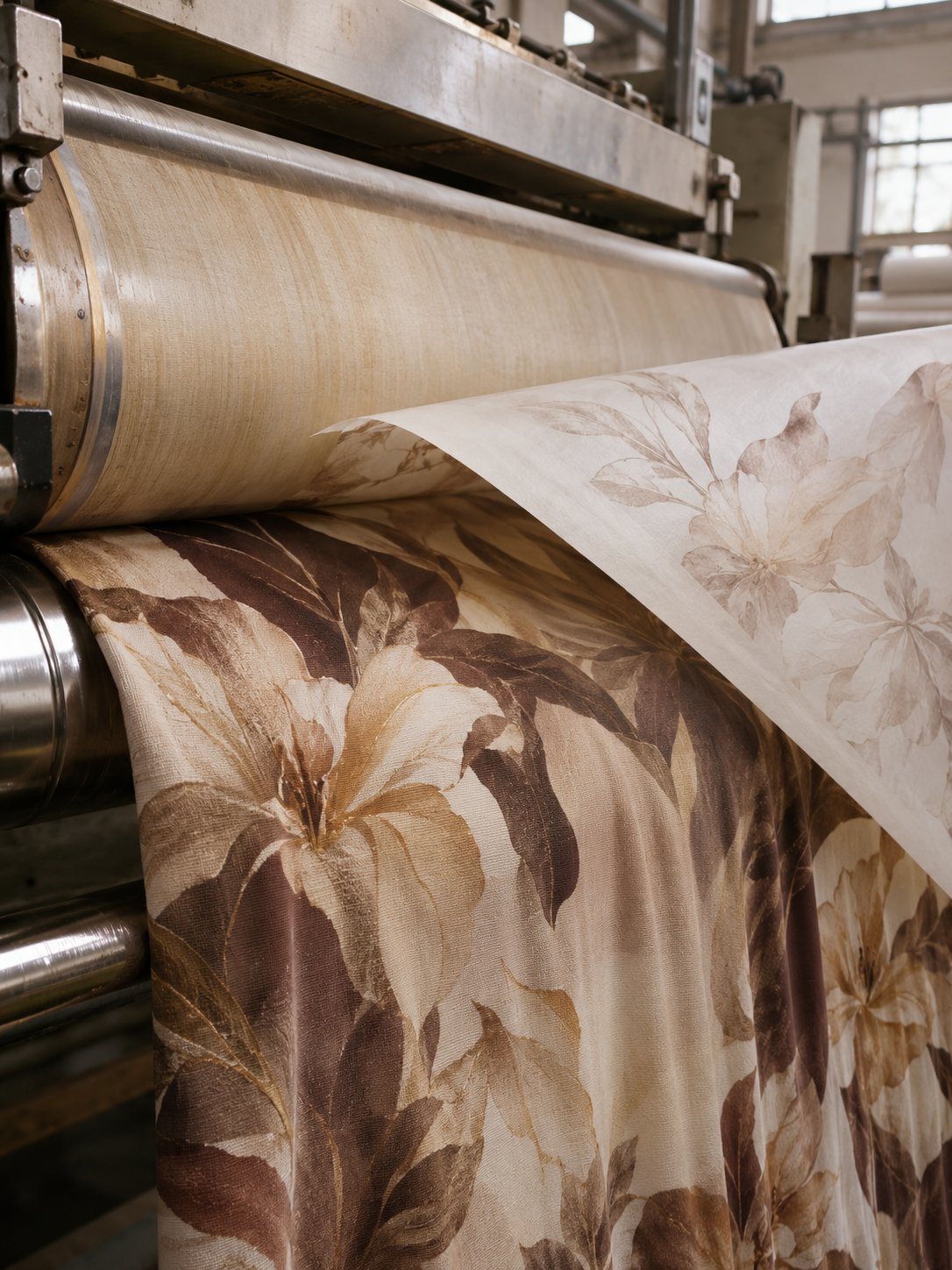
Nylon-Specific Sublimation Printing
Print Methods
Polyester Spandex
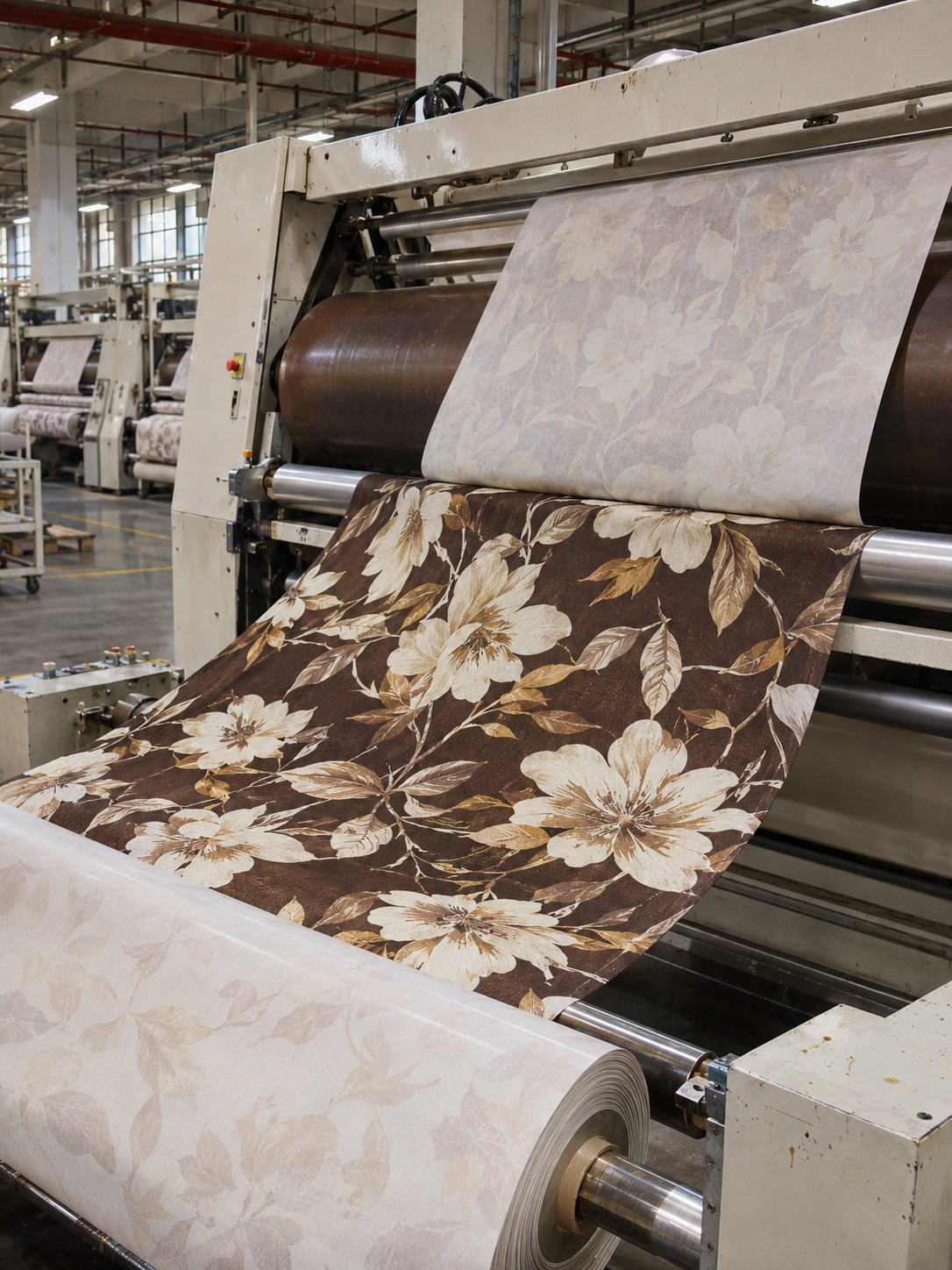
Disperse Dye Sublimation
Stretch DTF Heat Transfer
High-Stretch Water-Based Screen Printing
Pigment Digital Direct Printing
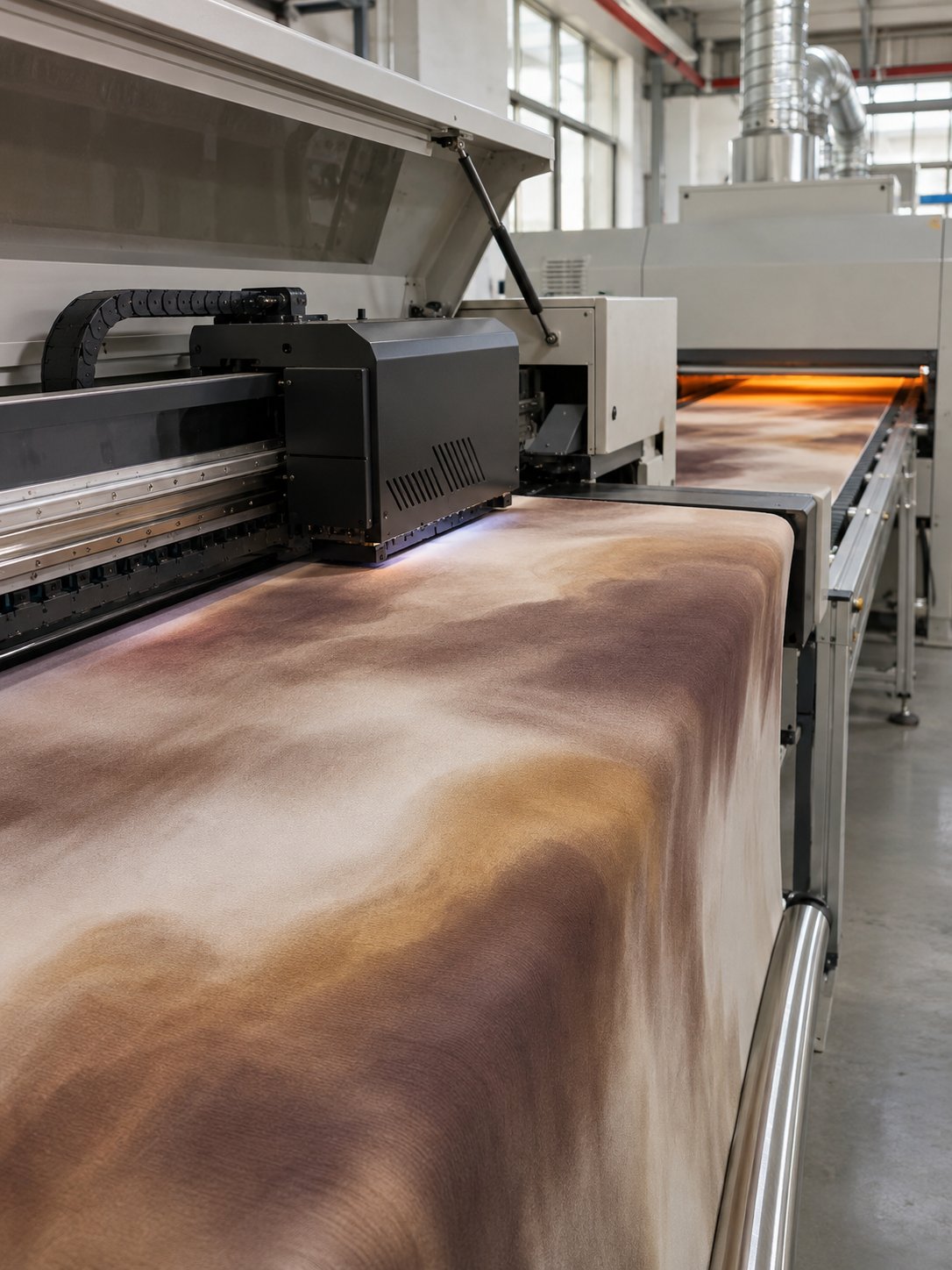
Disperse Digital Direct Printing
The Printing Process
Send Artwork
Send a vector file or high-resolution bitmap, with the base fabric, end use, colours and quantity.
Approve the Sample
Confirm the pattern, colours and fabric appearance on a physical sample.
Produce the Bulk Order
Proceed with bulk production after sample and order approval.
Inspect and Dispatch
Complete quality inspection before dispatch.
Artwork Files
Prepare production artwork at its actual print size for the selected process, and check the following before sampling.
1. Resolution at Actual Print Size
- Digital printing (sublimation or direct printing): minimum 150 DPI; 300 DPI recommended.
- Colour-separation bitmaps for rotary or flat-screen printing: minimum 300 DPI; 600 DPI recommended for fine lines.
- Calculate DPI at the final pattern or repeat dimensions in centimetres, rather than judging pixel dimensions alone. Enlarging the artwork reduces its effective DPI. WeChat screenshots and compressed JPG files can fall below production requirements.
2. Pattern Repeats and Layout
- Digital printing: four-way repeats must tile seamlessly. Repeat dimensions have no mandatory divisibility or cylinder-circumference match; common sizes are 20–80 cm.
- Rotary-screen printing: repeat height must equal the circumference of the screen used. Common circumferences are 64 cm, 82 cm and 91.44 cm. A mismatched height cannot go directly to screen preparation.
- Flat-screen printing: repeat dimensions are flexible, generally 10–120 cm and normally no more than 120 cm. Oversized repeats make registration more difficult.
- Label every artwork file with width × height in cm, and specify a four-way repeat, two-way repeat or single placement print. Repeat artwork that does not tile seamlessly will show visible joins.
3. File Formats and Image Quality
- Prefer uncompressed TIFF, PSD or AI/EPS vector artwork. Vector PDF and high-quality PNG are also accepted.
- WeChat JPG files, screenshots and web images are not recommended for direct bulk production: compression can blur detail and lose tonal gradations. Blurred or low-resolution files require manual redrawing, with a separate redrawing fee.
4. Colour and Background
- Use RGB for sublimation artwork. For reactive or pigment rotary/flat-screen artwork, provide Pantone spot colours or CMYK.
- Confirm overprinting, outlines and whether a white or transparent background is required.
- Phone photographs can show substantial colour differences. Images are for reference; use the colour card as the colour reference.
5. Information to Send with Artwork
- Fabric type/composition, such as polyester, cotton, nylon spandex or polyester-cotton; and the selected process, such as sublimation, digital direct, rotary-screen or flat-screen printing.
- Fabric width, pattern direction, blank-space requirements and shrinkage allowance, together with end use, colours, quantity and required timing.
Order Terms
Base Fabric
Ready stock has no minimum order and colours can be mixed. Custom orders start at 150 kg per colour; orders below 150 kg are accepted. Each style and colour has 1600 metres in stock.
Payment
30% deposit; the remaining 70% is paid against a copy of the bill of lading.
Questions & Answers
What should I send before sampling?
Send your artwork, base fabric, end use, colours and quantity, and specify the pattern width × height (cm), repeat type and fabric width. Prepare the file according to the requirements on this page. We review the fabric and process before sampling, then confirm the pattern, colours and fabric appearance on a physical sample.
How are minimum quantities confirmed?
Ready stock has no minimum order and colours can be mixed. Custom orders start at 150 kg per colour; orders below 150 kg are accepted. Each style and colour has 1600 metres in stock. Minimum quantities for the printing process are confirmed separately according to the method, artwork and base fabric.
How is the printing schedule arranged?
We discuss timing after reviewing the artwork, base fabric, quantity and sampling requirements. Bulk production follows sample approval, with quality inspection before dispatch. Specific production and dispatch dates are confirmed for the order.
How is print colour fastness confirmed?
Colour fastness is discussed on a grade 3 basis. Please contact us before sampling to confirm the approved sample and testing requirements for the order.